Making cremation arrangements without written instructions can feel uncertain, especially when relatives remember different conversations. At Herring-Groseclose Funeral Home, we bring a family-owned tradition dating to 1875, along with personalized, dignified, and professional care for each family. Our goal is to help families considering
cremation services in Milton-Freewater, OR, move from uncertainty toward a thoughtful, unified decision.
A Clear First Step for Families
When final wishes are not documented, we can begin by gathering known facts, identifying the person legally authorized to make arrangements, and discussing what best reflects the individual’s values. We do not need every answer immediately. Instead, we can move through the decisions in a clear order with professional support.
A practical starting process includes:
- We identify who has the authority to approve arrangements.
- We gather any available documents or prior planning records.
- We discuss conversations the individual had with relatives or friends.
- We separate confirmed preferences from assumptions.
- We agree on the most respectful path forward.
This approach creates structure during an emotional time. It also helps us avoid making important decisions based solely on the strongest opinion in the room.
Start With Facts, Memories, and Shared Values
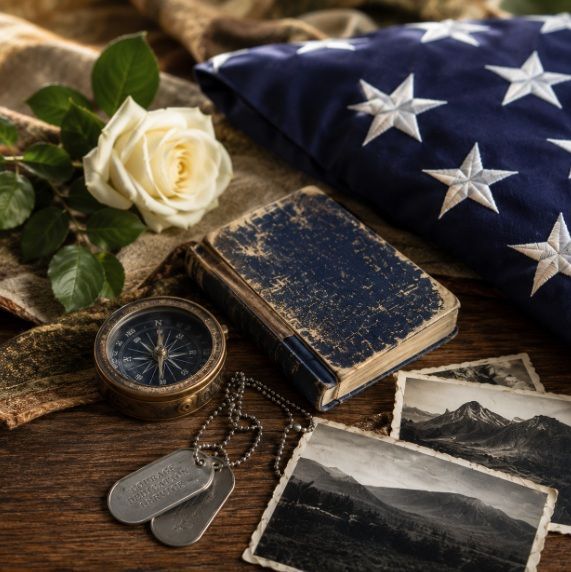
Although written instructions provide clarity, other information may help us understand what the individual would have wanted. For example, we might recall conversations about religious beliefs, family traditions, military service, music, clothing, readings, or preferred types of gatherings.
However, memories can differ. One relative may remember a casual remark as a firm request, while another may remember the conversation differently. Therefore, we should ask whether a preference was repeated, specific, and consistent with the person’s broader values.
Questions That Can Create Clarity
We can make the discussion more productive by asking:
- Did the individual ever attend a service that deeply affected them?
- Were faith, cultural customs, or family traditions important?
- Did they prefer a private gathering or a larger ceremony?
- Was there music, poetry, scripture, or a reading they valued?
- Which relationships, achievements, or interests defined their life?
These questions can show how
cremation services support individual planning decisions. Instead, they keep the focus on honoring the person who died.
Decide What Matters Most
Without written wishes, families may feel pressure to make every detail perfect. Yet meaningful arrangements are not based on perfection. They are based on care, respect, and decisions that feel consistent with the individual’s character.
We can begin by considering how
planning ahead can identify important family priorities. Those priorities might include bringing relatives together, following a faith tradition, creating time for shared stories, or keeping the gathering private. Once we establish the central purpose, the remaining choices often become easier.
A licensed funeral director can also explain available options and the order in which decisions need to be made. This professional perspective can reduce confusion while allowing the family to remain in control.
Create a Personal and Meaningful Tribute
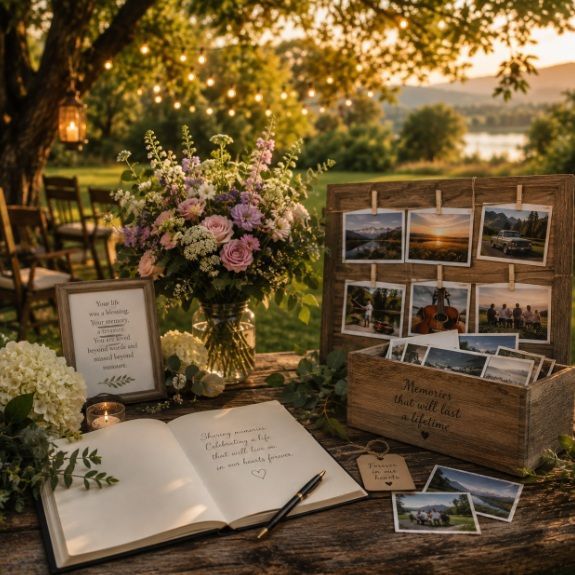
Choosing cremation does not prevent us from holding a personalized ceremony. A remembrance may take place before or after cremation, depending on the family’s preferences and circumstances. It can include photographs, meaningful objects, recorded music, readings, a video tribute, or stories shared by relatives and friends.
Families can review our funeral and cremation care options to consider how different elements may work together. Because every life is different, we can shape the tribute around the individual rather than following a single format.
Reduce Family Disagreements With a Simple Process
Disagreement is more likely when everyone tries to solve every question at once. Instead, we can list the necessary decisions, address urgent matters first, and pause when emotions become overwhelming.
When Agreement Feels Difficult
If relatives remain divided, we can return to three standards: what is legally permitted, what is known about the individual, and what provides a respectful experience for those grieving. A funeral director can guide the discussion neutrally, clarify practical choices, and keep the arrangement process moving without dismissing anyone’s concerns.
Moving Forward With Confidence
Planning without written final wishes may feel difficult, but families can still create an appropriate and meaningful tribute. By gathering facts, focusing on shared values, and seeking experienced assistance, we can make decisions with greater confidence.
For compassionate help arranging cremation services in Milton-Freewater, OR, call Herring-Groseclose Funeral Home at
(509) 525-1150 to
clarify unwritten wishes for cremation arrangements with our team.