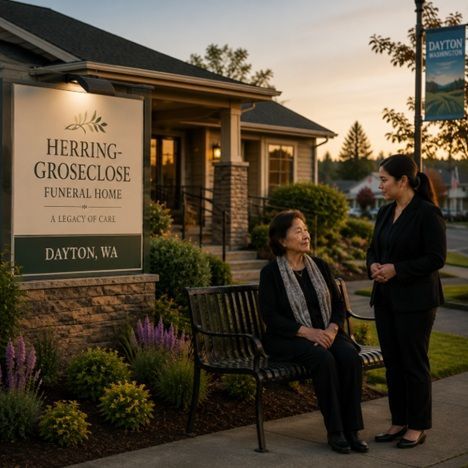
After a death, families often assume the closest relative automatically controls every arrangement. However, the answer depends on legal authority, written instructions, family relationships, and applicable state law. When families speak with
funeral homes in Milton-Freewater, OR, understanding the usual decision-making order can reduce confusion during an already emotional time.
At Herring-Groseclose Funeral Home, we bring a family-owned tradition dating to 1875 to each conversation, providing dignified, personalized, professional care shaped around each family’s wishes.
Who Usually Has the Right to Decide?
Generally, the person with the highest legal priority makes the arrangements. The exact order varies by state, but it often begins with a person named in a valid written document. If no authorized representative was appointed, priority may pass to a surviving spouse or registered domestic partner, followed by adult children, parents, siblings, or another relative.
Because laws and documents differ, we should never rely only on assumptions. A funeral director may ask for identification, a signed authorization, or records confirming a person’s relationship and decision-making rights. When uncertainty remains, legal counsel or a court may need to clarify who can act.
A Simple Decision-Making Checklist
In many situations, we can begin by asking:
- Did the person who died leave written instructions?
- Was an agent appointed to control disposition or arrangements?
- Is there a surviving spouse or domestic partner?
- Are there adult children, and do they agree?
- Is another relative next in the legal order?
- Is a court-appointed representative involved?
What Decisions Does the Authorized Person Make?
Once authority is confirmed, the decision-maker works with the funeral home to select the services and details that reflect the person’s wishes. These choices may include:
- The type and timing of the service
- Burial or cremation arrangements
- Clergy, celebrants, music, readings, and speakers
- Obituary information and public notices
- Viewing, visitation, reception, and memorial details
- Cemetery coordination and required permits
Written preferences can make these conversations easier. Even so, the authorized person may need to interpret incomplete instructions while considering religious customs, cultural traditions, family needs, and practical requirements. Our role is to explain available choices clearly, document decisions, coordinate details, and treat every family with respect.
What Happens When Family Members Disagree?
Disagreements often arise when relatives remember different conversations or have different ideas about what feels appropriate. First, we encourage everyone to focus on any written directions left by the deceased. Next, we confirm who holds legal authority. Then, we explain which decisions require that person’s approval.
A funeral home cannot resolve every family dispute or provide legal representation. If competing parties claim equal authority, arrangements may pause until the family reaches an agreement or receives a legal determination. Therefore, early communication matters. Gathering documents, identifying all immediate relatives, and
making informed decisions about funeral home services can prevent repeated or conflicting instructions.
How Planning Ahead Supports the Family
Planning allows us to record preferences before a crisis occurs. It can identify who should speak for us, outline service wishes, and give relatives a shared reference point. In addition, preplanning can reduce the pressure to make many choices at once.
Families can review our
traditional funeral services and planning options to understand how we support arrangements with patience, clarity, and personal attention.
A Clear Path Forward
After a death, the appropriate decision-maker is usually determined by valid documents and state law, not simply by who calls first or feels closest to the person who died. By confirming authority early, reviewing written wishes, and communicating openly, families can move forward with greater confidence.
When comparing funeral homes in Milton-Freewater, OR, we encourage families to choose experienced professionals who explain each step with dignity and care. Herring-Groseclose Funeral Home is ready to
clarify funeral home responsibilities and meaningful arrangements for your family. Call us at
(509) 525-1150 for compassionate assistance with the next steps.