Share Sophia Dyke's obituary with others.
Invite friends and family to read the obituary and add memories.
Stay updated
We'll notify you when service details or new memories are added.
You're now following this obituary
We'll email you when there are updates.
Select your format and elements to print

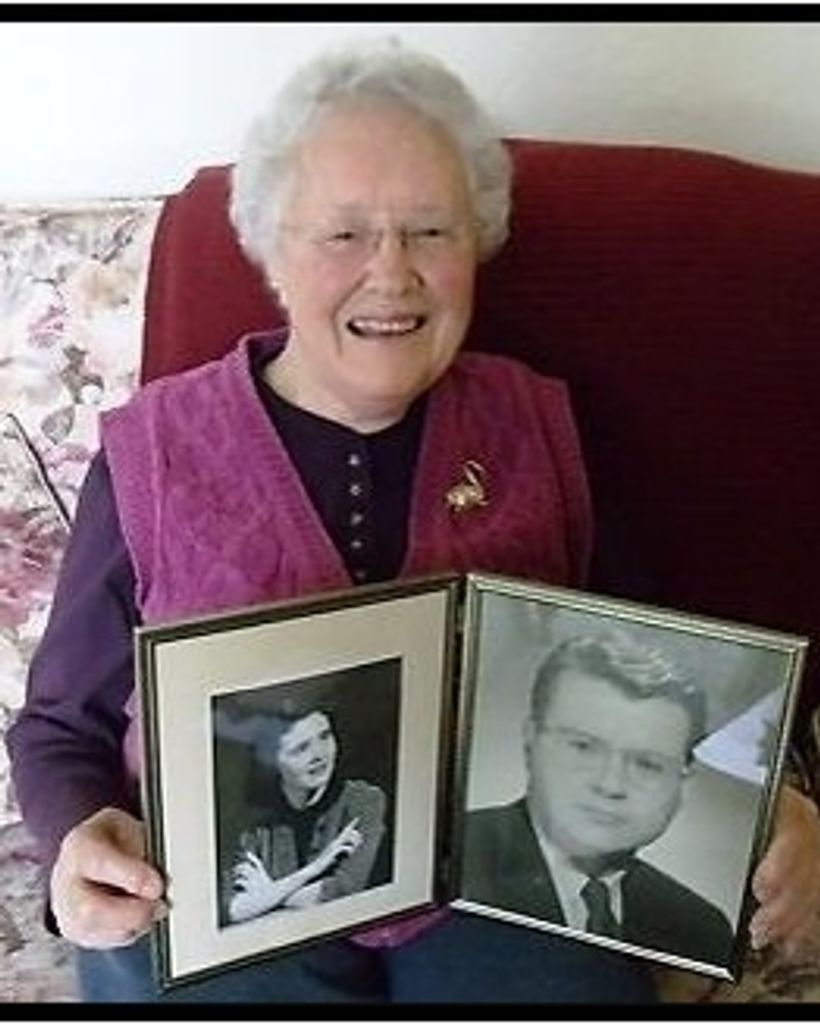


Sophia Dyke
Sep 16, 1932 — Jun 6, 2026
Walla Walla
The youngest of four siblings from a small village in Greece, Sophia Dyke (nee Kourkoubas) took an independent route to the United States, her education and her profession. Still, her home of Walla Walla, Washington, with its green valley and surrounding mountains frequently reminded her of her village in Greece.
Sophia was born on September 16, 1932, and raised in the small farming community of Rodia, north of Larissa in 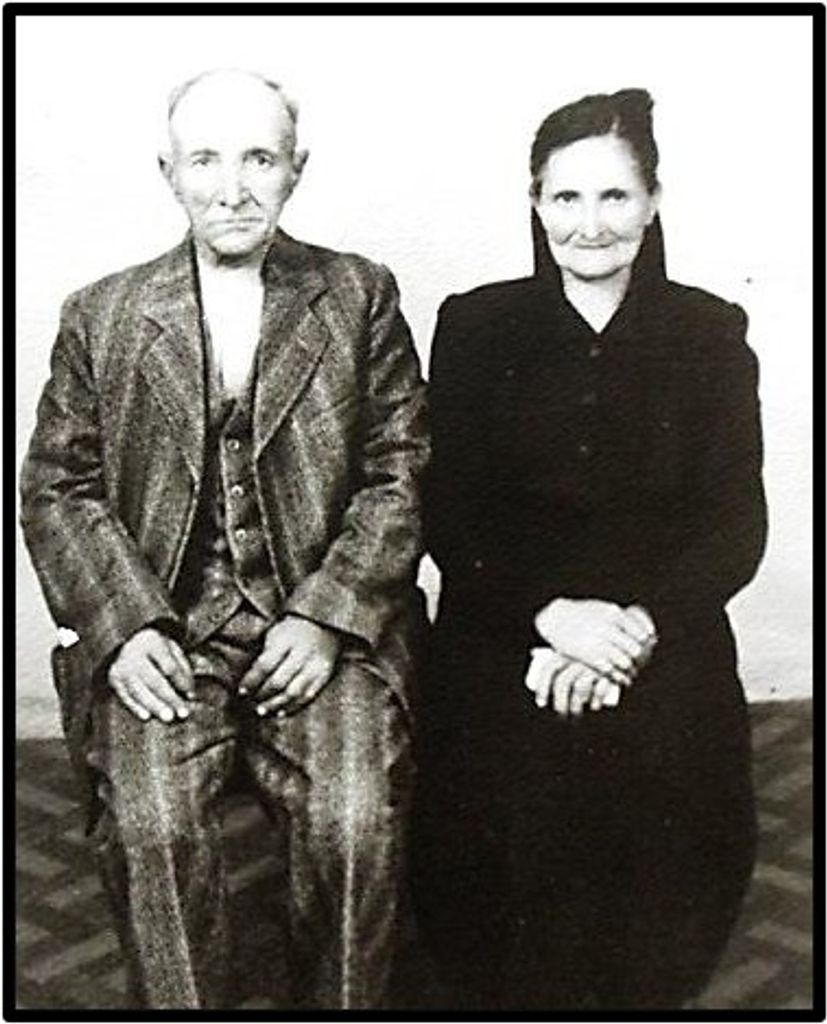
When she was 10 years old, the Greek guerillas killed two German soldiers in the river at the edge of town. There was no immediate reaction but then the Germans surrounded and evacuated the village and transported the residents in trucks to nearby La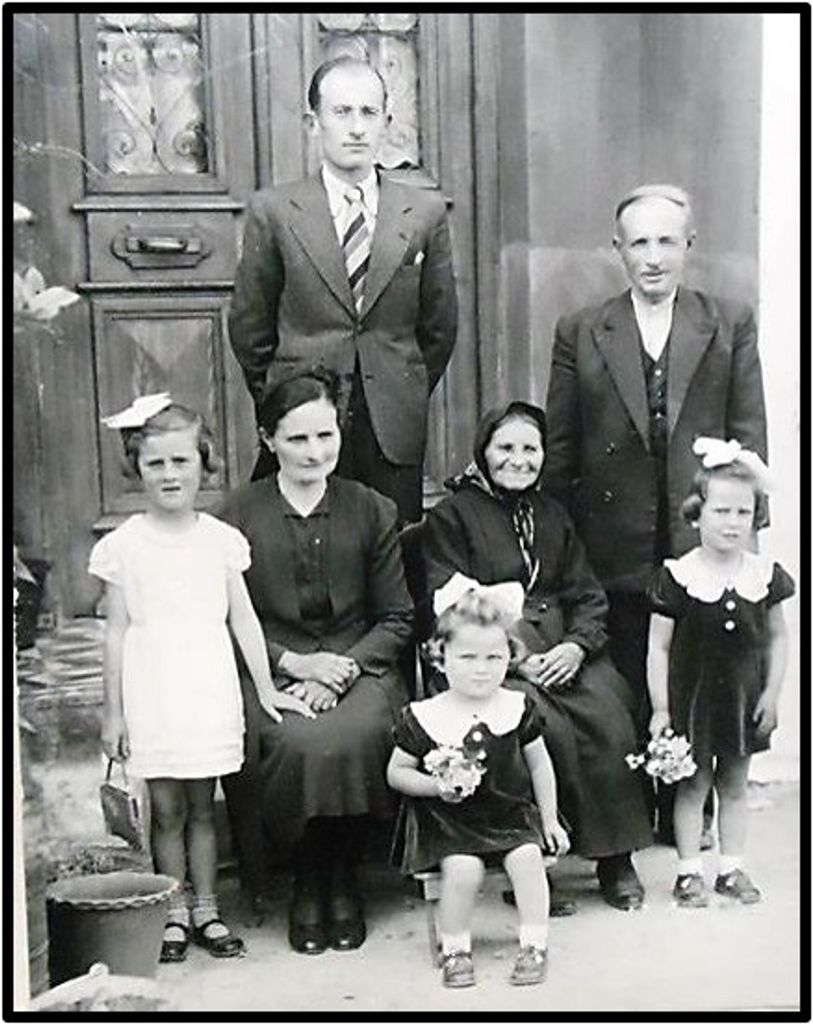
By August of 1944 the Germans were losing the war and Sophia returned to Rodia with her family. Fortunately, the Kourkoubas home was only partially damaged; the village was slowly rebuilt.
Sophia’s older sister Eleni had been married by arrangement to John Tsutras, the son of family friends, and had been in the United States since the 1930s. John and his brother were part of the mass migration of Mediterranean peoples from economically depressed parts of the world to the coal and steel mills of West Virginia and Pennsylvania. The couple moved to Williamson, West Virginia, before World War II began. Eleni wanted more opportunities for Sophia, so she sent money to her family so Sophia could attend high school in the nearby large town of Larissa. In Larissa Sophia rented a room, as transportation between Rodia and Larissa was very primitive. She missed her family and the comfort of a small village, especially the fresh aromas during harvest time. Fortunately, her landlady, Eleni Samara, became like a second mother to her, and her son Costas became a lifelong friend (and a well-known writer in Greece). They nurtured her interest in her Christian faith, politics, and music.
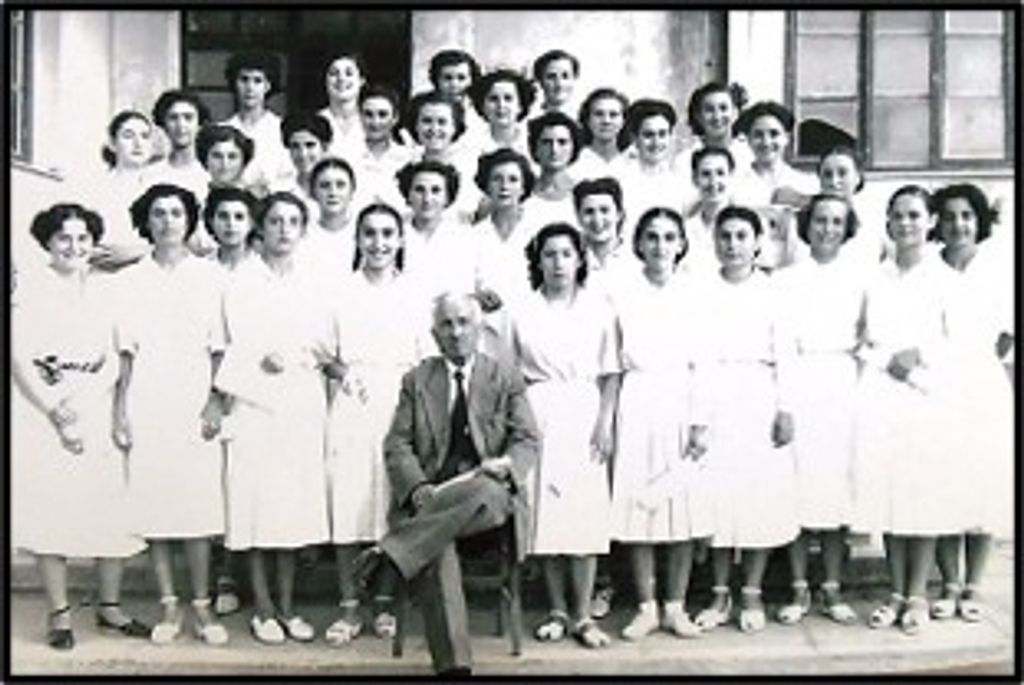
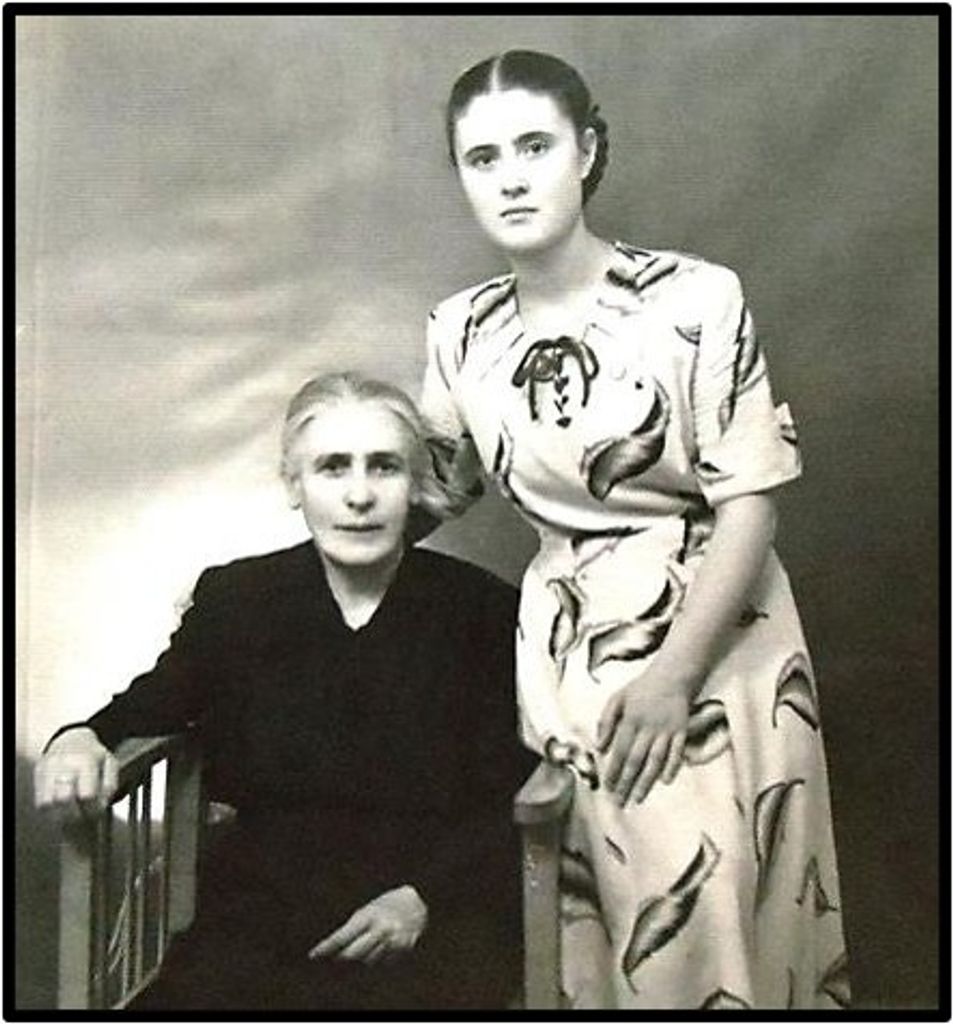
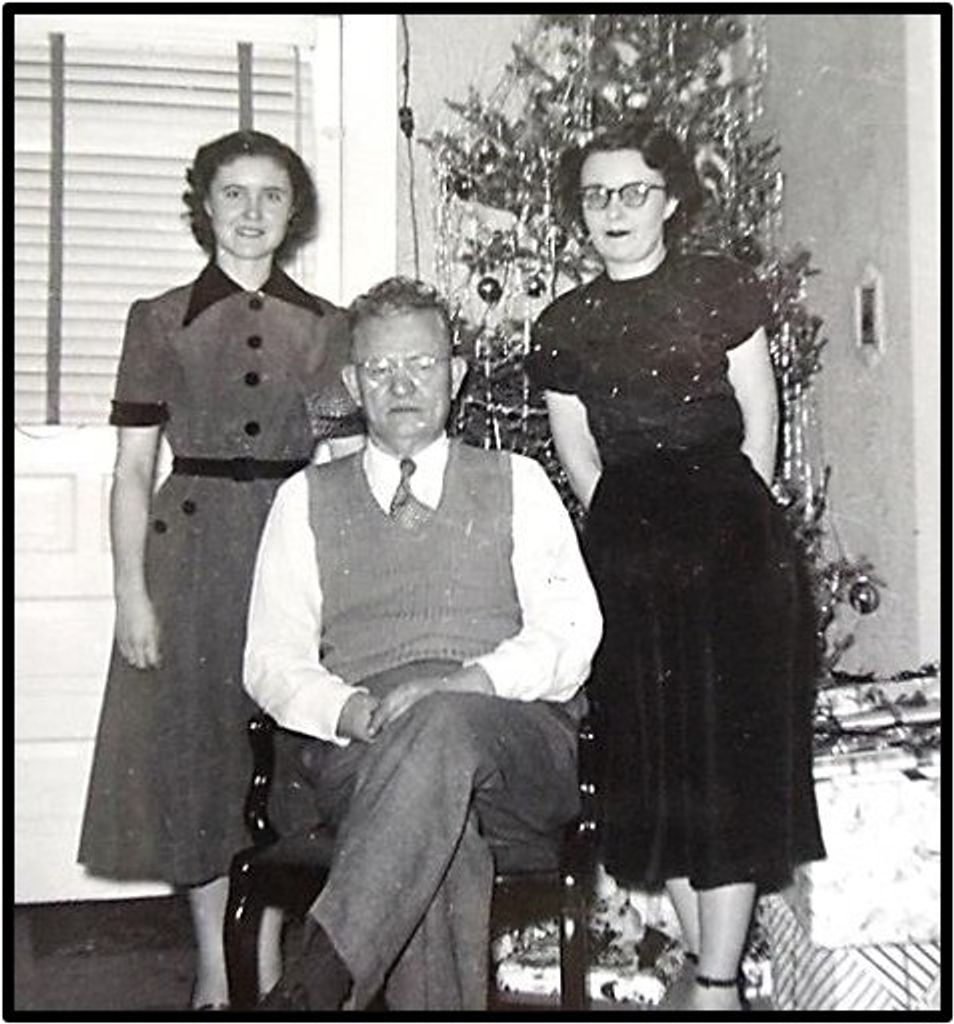
The plan was for Sophia to enroll in the small liberal arts Marshall College (now a university with its own medical school) in Huntington, West Virginia. As the second semester had already begun, and Sophia only knew two words in English, the family was advised for Sophia to attend school in Williamson to learn the English language before entering Marshall.
Five years later, Sophia graduated with a bachelor’s degree in chemistry from Marshall. She was the only female student in her Chemistry classes. Her physics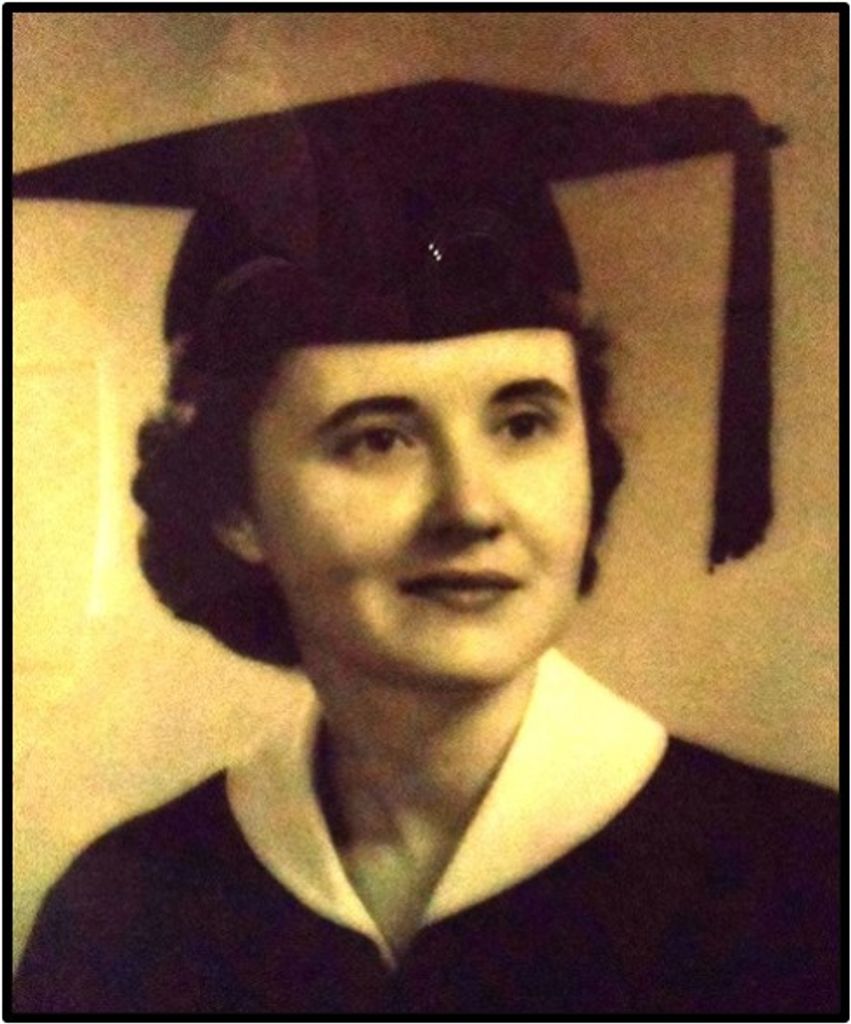
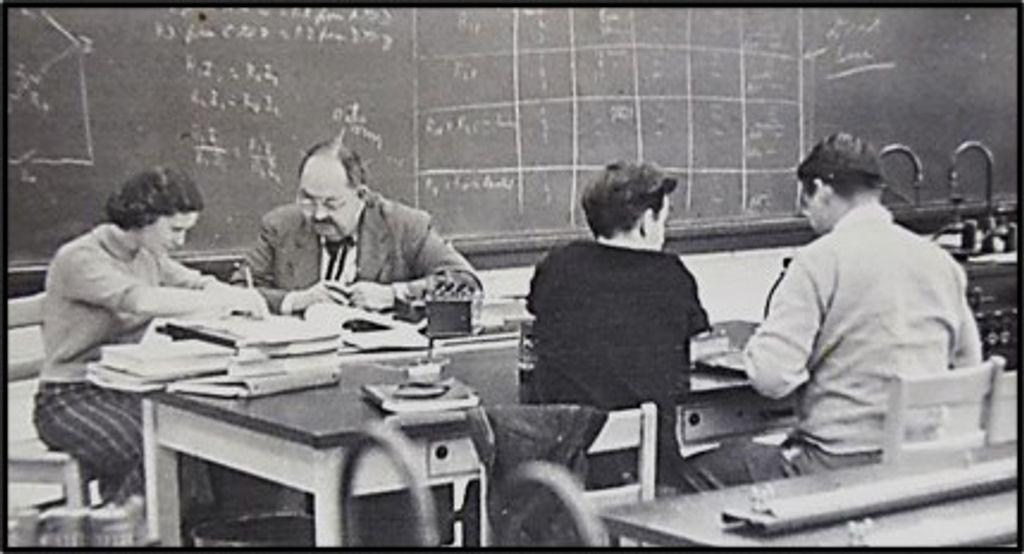
During her year of clinical training at St. John’s, Sophia lived across the street from the hospital with three other medical technician students. One of 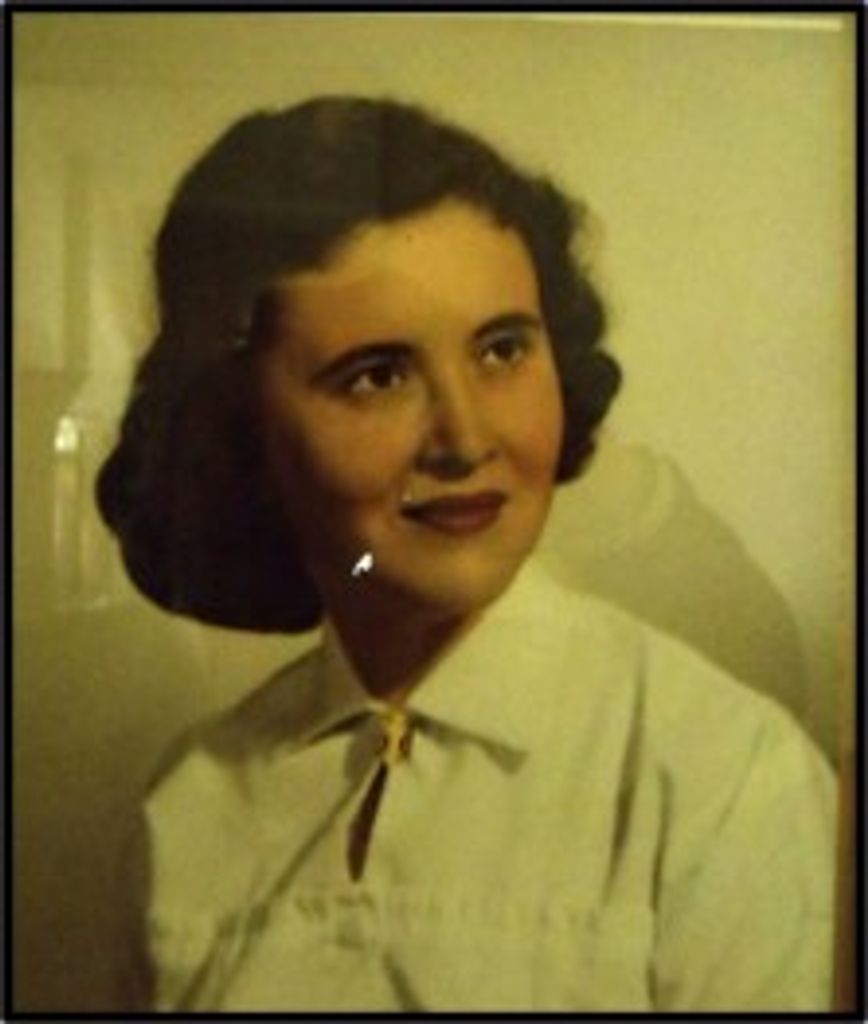
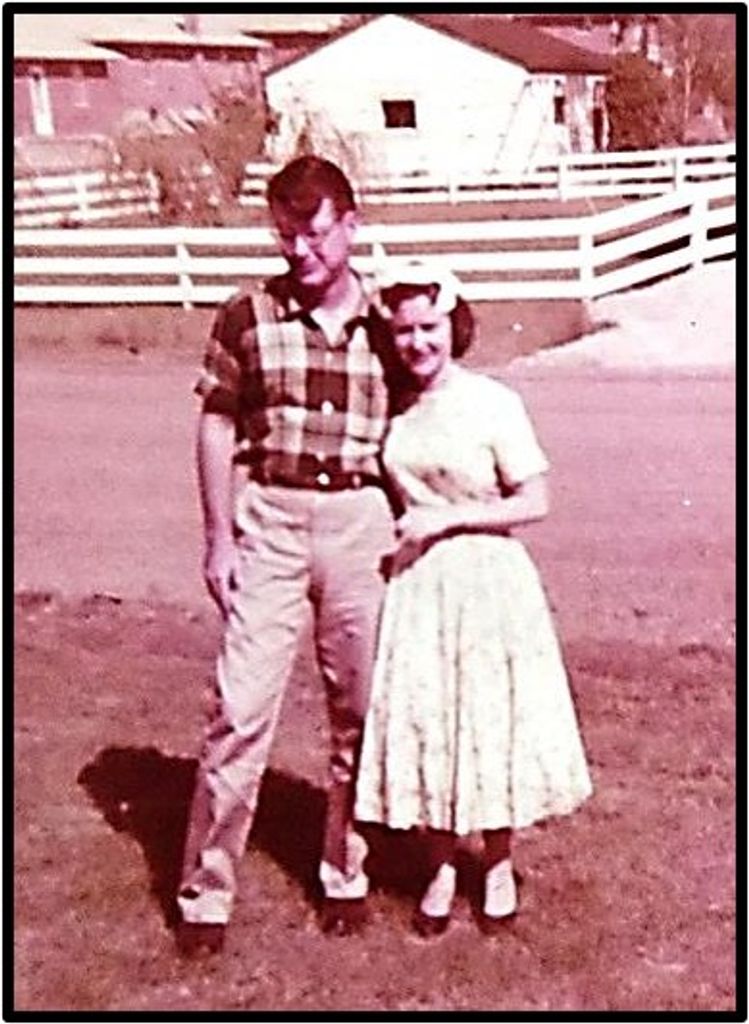
In Seattle, the couple lived in the Queen Anne neighborhood for nine years; Paul worked for the Boeing Company and Sophia, at Doctor’s Hospital (merged into Swedish Medical Center). After two years at Doctor’s, she worked as a laboratory technician for a group of physicians in private practice and then worked at the University of Washington Medical School conducting research in the pediatrics department. She continued her work until their first child, Ellen, was born in May of 1960. A second daughter, Kathy, was born in November of 1961. In 1964 Sophia obtained her United States citizenship but was disappointed as it was not granted in time to vote for a favorite presidential candidate.
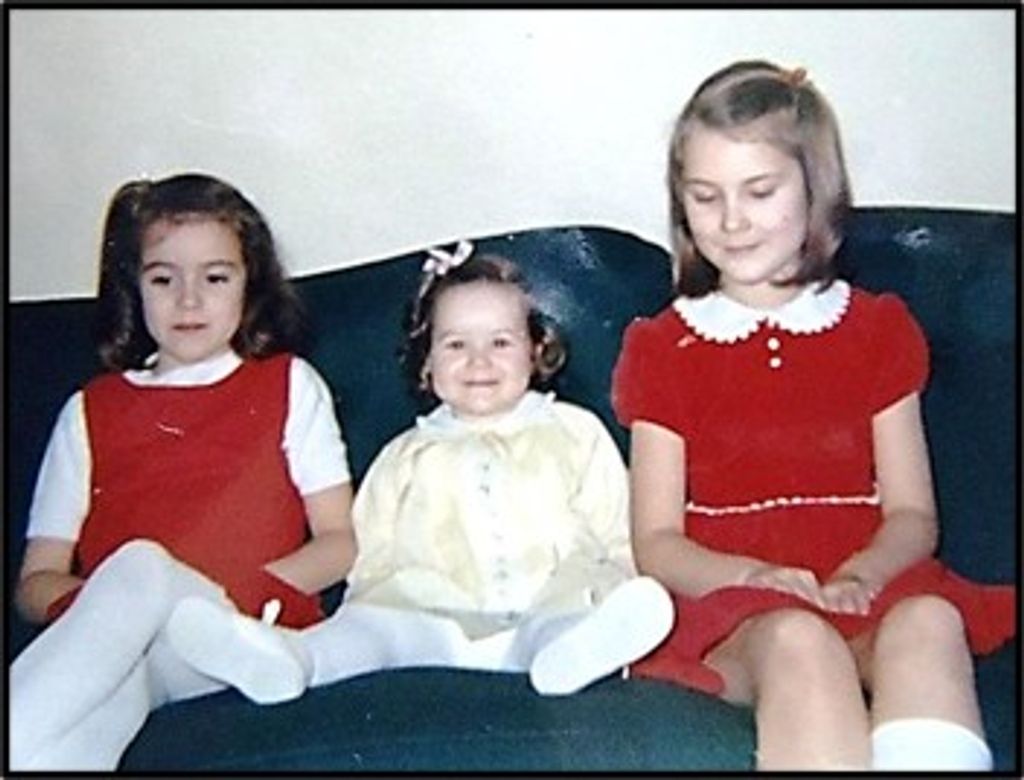
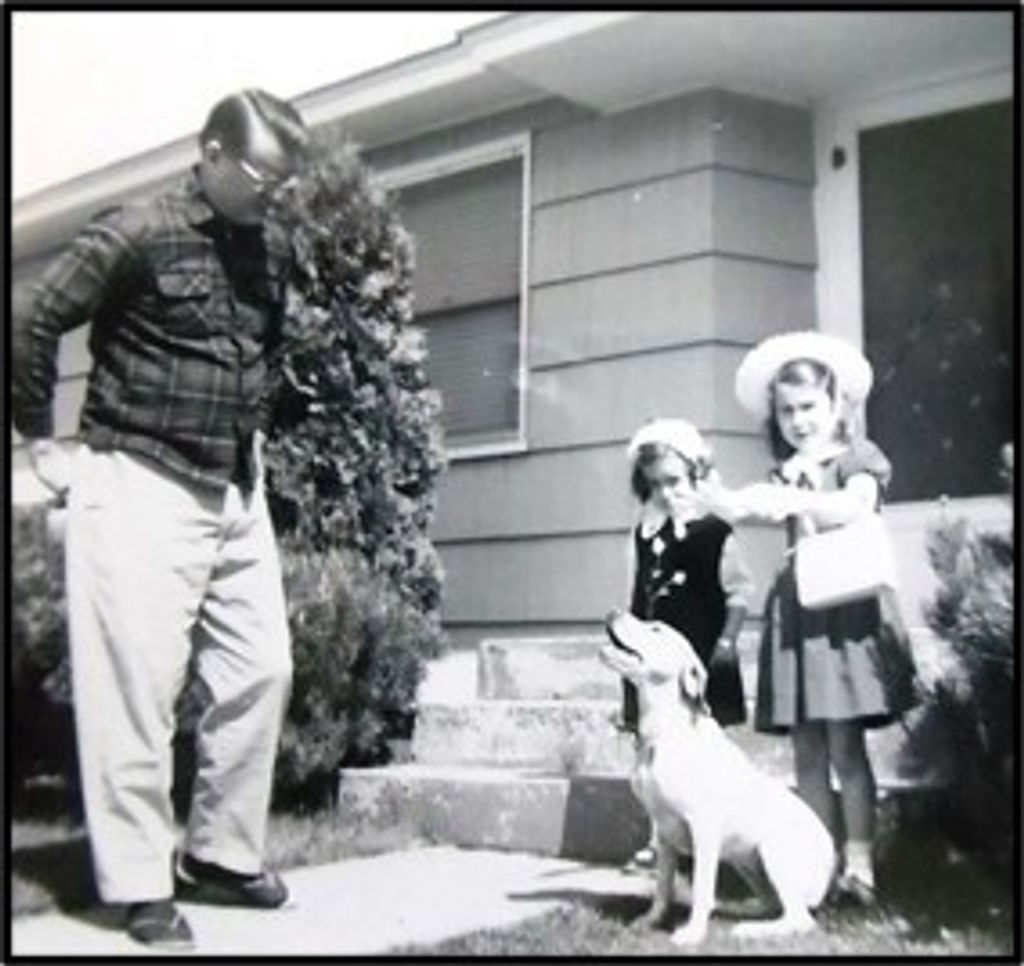
Once the two older girls had left for college and the youngest was in her teens, and Sophia wanted to return to work, machines had replaced much of the work previously done by hand. In addition, the head pathologist at St. Mary’s Hospital required that she take refresher courses. That would have required a six-month stay in Seattle, Spokane, or Portland, Oregon, all some distance from Walla Walla. She decided instead to begin caring for people who had been released from the hospital and needed assistance in their homes. With what she describes as a “soft spot for older people,” she has cared for members of several Walla Walla families over the years. Her clients became her friends, and she had fond memories of all of them.
1984 was a very hard year for Sophia when the family experienced two tragic deaths: Ellen at age 24 from leukemia in October and Paul at 61 from a heart attack in December. Presently, the second daughter, Kathy, lives in Illinois with her husband Mark, her adopted daughter Tatiana, and foster daughter Shante’. Emily, a veterinarian, lives in Seattle, as does granddaughter Irene, husband David, and great-grandson Elijah.
Sophia was very active in her church and community. She volunteered with the PTA and won their Golden Acorn award. She helped with Meals on Wheels and for years got up at 5 am at least once a week to make French Toast at The Christian Aid Center. During her volunteer years it became known as ‘Greek French Toast’! But her greatest passion was her garden, and it became a well-known beauty spot in her neighborhood.
While a number of Greeks came to the United States at the same time as Sophia, she is one of few women who immigrated and entered a medical profession at that time. She felt that her adventurous, if not rebellious, spirit contributed to her welfare. She thought that her native Greek language helped considerably in her professional studies. She always felt accepted from her first days in West Virginia where other foreign students had also come to study. Any reservations about life in the United States vanished as she came to appreciate the freedom and opportunities that existed. The class snobbery, arranged marriages, and dowry requirements that existed in Greece were never of her choosing, and the opposite of what she enjoyed in the United States.
A funeral service will be held on Saturday, June 13, 2026, at 10:00 AM at Trinity Lutheran Church, with Pastor Stephen Jurgensen officiating, followed by burial at Mountain View Cemetery.
Memorial contributions may be made to the Christian Aid Center through the Herring Groseclose Funeral Home, 315 W Alder St, Walla Walla, WA 99362. Friends and family are invited to sign the online guestbook at www.herringgroseclose.com.
Service Schedule
Past Services
Funeral Service
Saturday, June 13, 2026
10:00 - 11:00 am (Pacific time)
Trinity Lutheran Church
Guestbook
Visits: 377
This site is protected by reCAPTCHA and the
Google Privacy Policy and Terms of Service apply.
Service map data © OpenStreetMap contributors